Home Periodontal Treatment
Periodontal Treatment · Specialist periodontal care
Periodontal treatment in Sydney and Newcastle
The goal of specialist periodontal treatment is to retain comfortable, functional teeth by thoroughly cleaning the pockets surrounding your teeth and implants, so as to arrest or slow the damage to the supporting gum and bone.
Periodontics — Dental Board of Australia (AHPRA) · Clinical Professor, University of Sydney
Your part in the result
You will have the best chance of a good result from periodontal treatment when you also adopt a daily routine of good oral care and stop tobacco use.
- Brushing and cleaning interdentally twice a day.
- Eating a balanced diet and limiting snacks between meals.
- Using dental products that contain fluoride, including toothpaste.
- Rinsing with a fluoride mouth-rinse if advised.
- Making sure that children under 12 drink fluoridated water, or take a fluoride supplement if they live in a non-fluoridated area.
- Keeping to a regular scale and clean every three to six months.


Non-surgical treatment
In many cases, the first step in a periodontal specialist treatment plan is a non-surgical and non-invasive approach to treating gum disease.
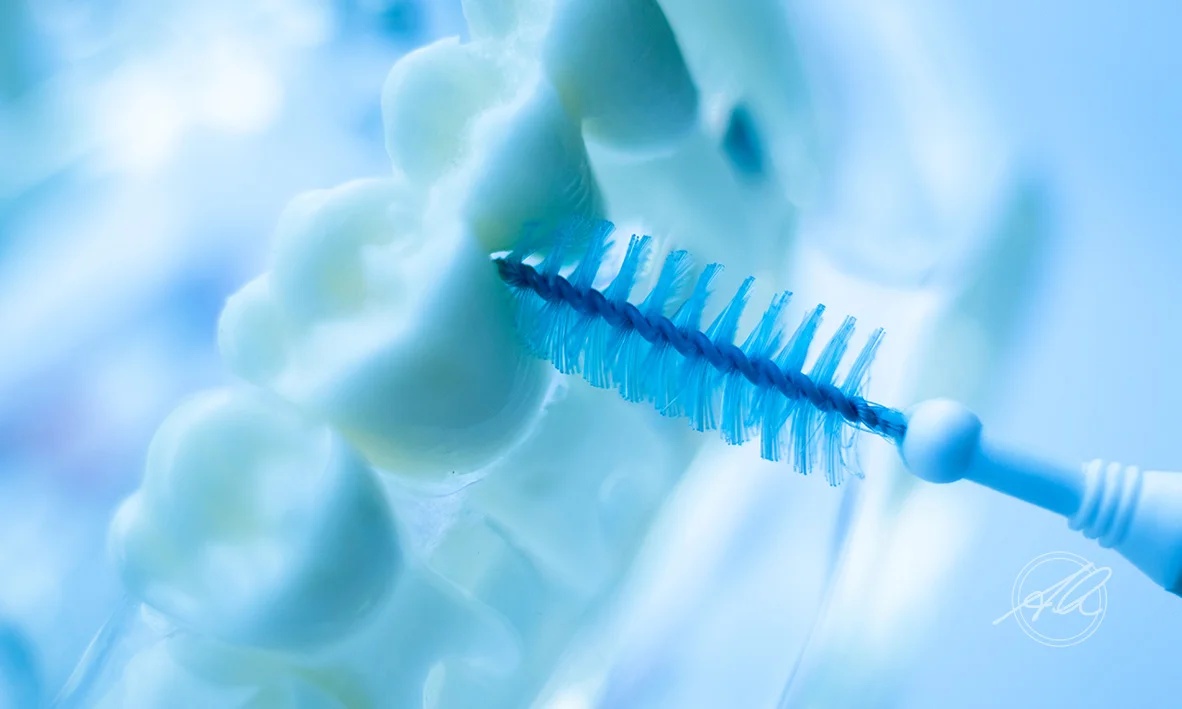
Scaling removes calculus (tartar) and bacteria from your tooth or implant surface and beneath your gums. It may be performed using a combination of manual instruments, machine-driven instruments and air-flow devices.
Root planing is the selective smoothing of the root surfaces, discouraging further build-up of tartar and bacteria. It is now done selectively and in a very delicate, minimally invasive way, with maximum effort to preserve the tooth, root and the gum surface and shape. It is also known as periodontal debridement.
- Ultrasonic devices
- Manual instrumentation
- Air-flow powder therapy
- Adjunctive laser therapy
- Adjunctive use of herbal antiseptics
- Tailor-made home oral hygiene instructions
- Integrated care, working with your primary care provider to help diagnose and correct imbalances in your overall health
Surgical treatment
Where non-surgical therapy cannot reach or resolve the problem, surgical periodontal and peri-implant procedures are available.

Flap surgery
The gum is lifted back so the roots can be cleaned thoroughly under direct vision, then repositioned and sutured against the tooth.
Soft tissue grafts
Tissue is grafted to an area of recession. As an alternative to donating soft tissue from your own palate, synthetic gum tissues can be used in selected cases.
Bone grafting
Often indicated before or during implant surgery where there is insufficient native bone to house the intended implants in the jaw.
Guided tissue regeneration
The gums are folded back and disease-causing bacteria removed. Bone grafts, membranes and tissue-stimulating proteins are then placed between the gum and teeth. These materials keep unwanted tissue out of the healing area, stabilise your natural growth factors and allow bone to grow back.
A holistic approach
Gum disease has been shown to be a contributing factor in diabetes, heart disease, stroke, metabolic syndrome and low birth weight.
As a periodontal specialist leading a multidisciplinary team, we believe many dental conditions are best managed by taking a holistic approach to patient care.
That means an in-depth assessment of your overall health, including dental history, medical history, a review of medications and supplements, and lifestyle analysis. This allows imbalances that may have contributed to disease to be identified and diagnosed. We do not focus only on the symptoms; we look for and manage the cause. It guides the treatment plan we recommend to help you achieve health and wellbeing that lasts, rather than something that camouflages the problem short term.
Wherever possible, regeneration is the treatment of choice in managing periodontal disease. The field has moved into an era of regenerating periodontal tissue rather than only halting the progression of the disease.
Non-surgical toolkit
What treatment can involve
Any surgical or invasive procedure carries risks. Individual results vary and suitability depends on an individual clinical assessment. Before proceeding with a surgical or invasive procedure, you should seek a second opinion from an appropriately qualified health practitioner.
Good to know
Periodontal Treatment — frequently asked questions
What does a periodontist do?
Can gum disease be treated without surgery?
Is gum disease linked to general health?
How often should I see a periodontist?
When should I see a periodontist?
Specialist clinical expertise
Based on research and clinical experience
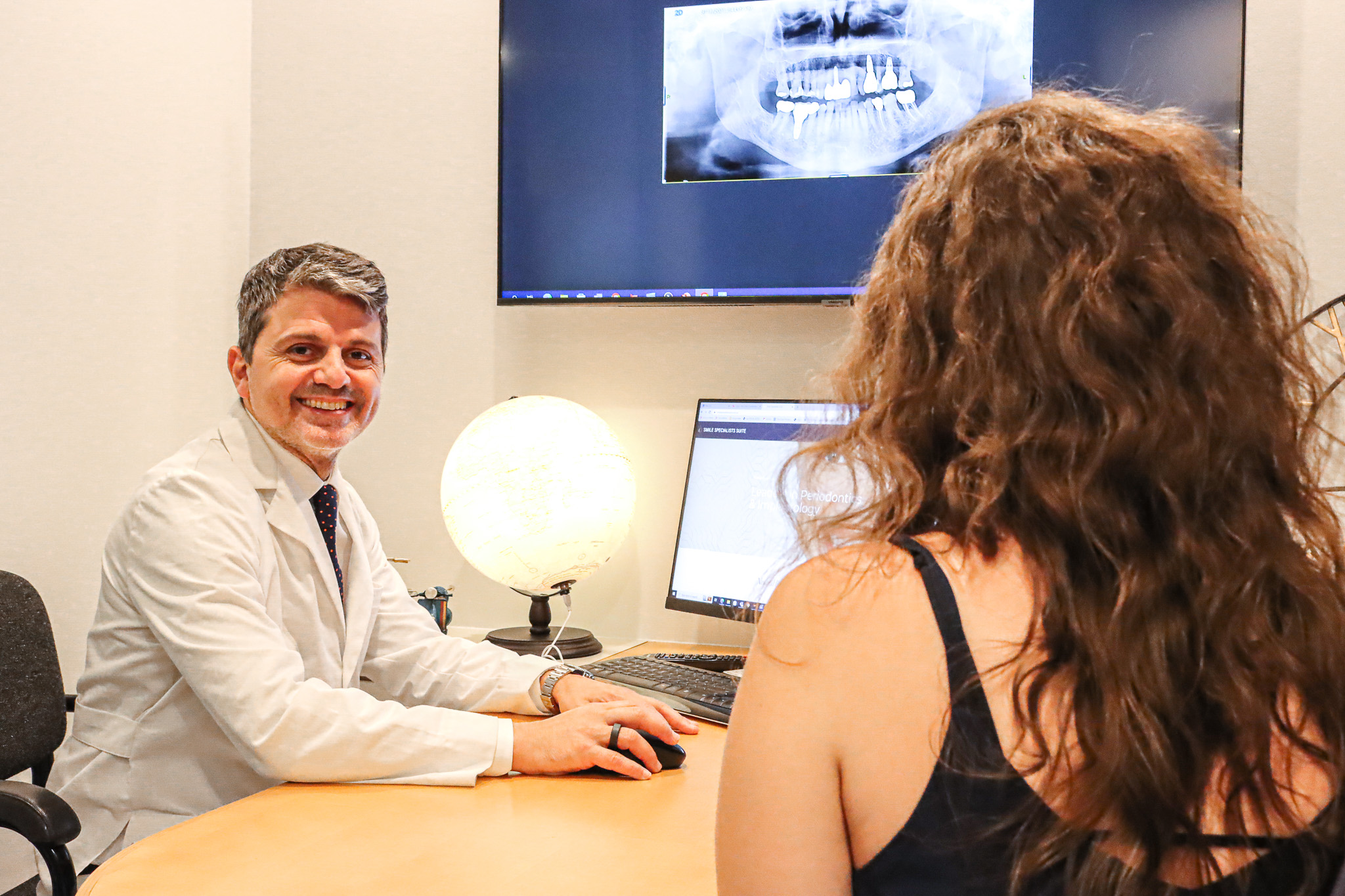
Prof Quaranta is a Clinical Professor of Periodontics at the University of Sydney and has published more than 200 research outputs, over 120 of them peer-reviewed. He lectures on periodontics and implant dentistry to universities, scientific societies and study clubs in Australia and overseas.
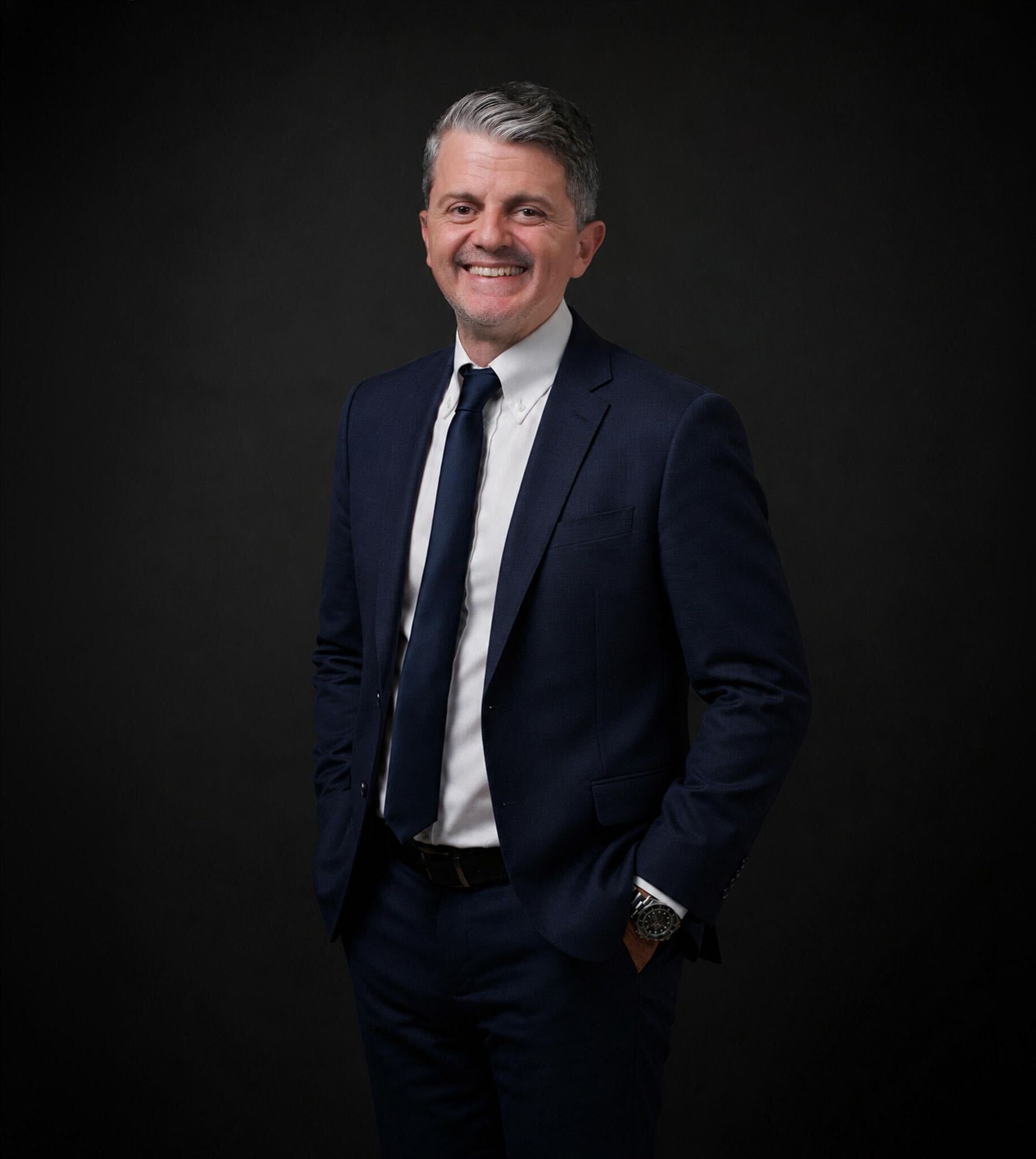
This information is provided by Prof Alessandro (Alex) Quaranta, an AHPRA-registered Specialist Periodontist, Clinical Professor of Periodontics and author of more than 200 scientific publications. Read his full profile.
Ready to talk about your gums or implants?
Neutral Bay (Sydney), Newcastle and Kiama.