Home Pain Management
Pain Management · Specialist periodontal care
Pain and anxiety management
A lot of people are frightened of going to the dentist, and some end up avoiding treatment altogether and putting their health at risk. If that is you, there are several levels of pain and anxiety management available.

Periodontics — Dental Board of Australia (AHPRA) · Clinical Professor, University of Sydney
What sedation can be used for
Sedation can be used for any type of periodontal and implant treatment, from a scale and clean, through implant and periodontal surgery, to invasive procedures such as advanced bone grafting.
Sedation dentistry and pain management use medicines to help patients relax during specialist dental procedures. Which is appropriate for you is decided at consultation, and depends on the procedure, your medical history and your medications.
Inhaled minimal sedation (happy gas)
You breathe nitrous oxide combined with oxygen through a small nasal mask. The amount is adjusted throughout, and it tends to wear off quickly afterwards. This is the only form of sedation after which you may be able to drive yourself home. It is the most common choice.
Oral sedation
A tablet taken about an hour before the procedure. It will make you drowsy although you stay awake. A larger dose produces moderate sedation. You will need a responsible adult to take you home.
IV moderate sedation
The sedative is given through a vein, so it works more quickly and the level can be adjusted continuously. Afterwards you will need a period of post-operative observation in a recovery room at the practice.
Deep sedation and general anaesthesia
Medication that makes you almost or entirely unconscious. You cannot easily be woken until the effects wear off or are reversed. This is carried out by a specialist anaesthetist in a surgical theatre while the periodontist performs the surgery.
Whichever type of sedation you have, you will also need a local anaesthetic at the site where the specialist is working. The dose required is usually much lower when you are sedated.
To work out which approach suits you, your periodontist will discuss the options with you at consultation.
Levels available
From happy gas to general anaesthesia
Any surgical or invasive procedure carries risks. Individual results vary and suitability depends on an individual clinical assessment. Before proceeding with a surgical or invasive procedure, you should seek a second opinion from an appropriately qualified health practitioner.
Good to know
Pain Management — frequently asked questions
Will I be asleep?
Can I drive home afterwards?
Is sedation safe for me?
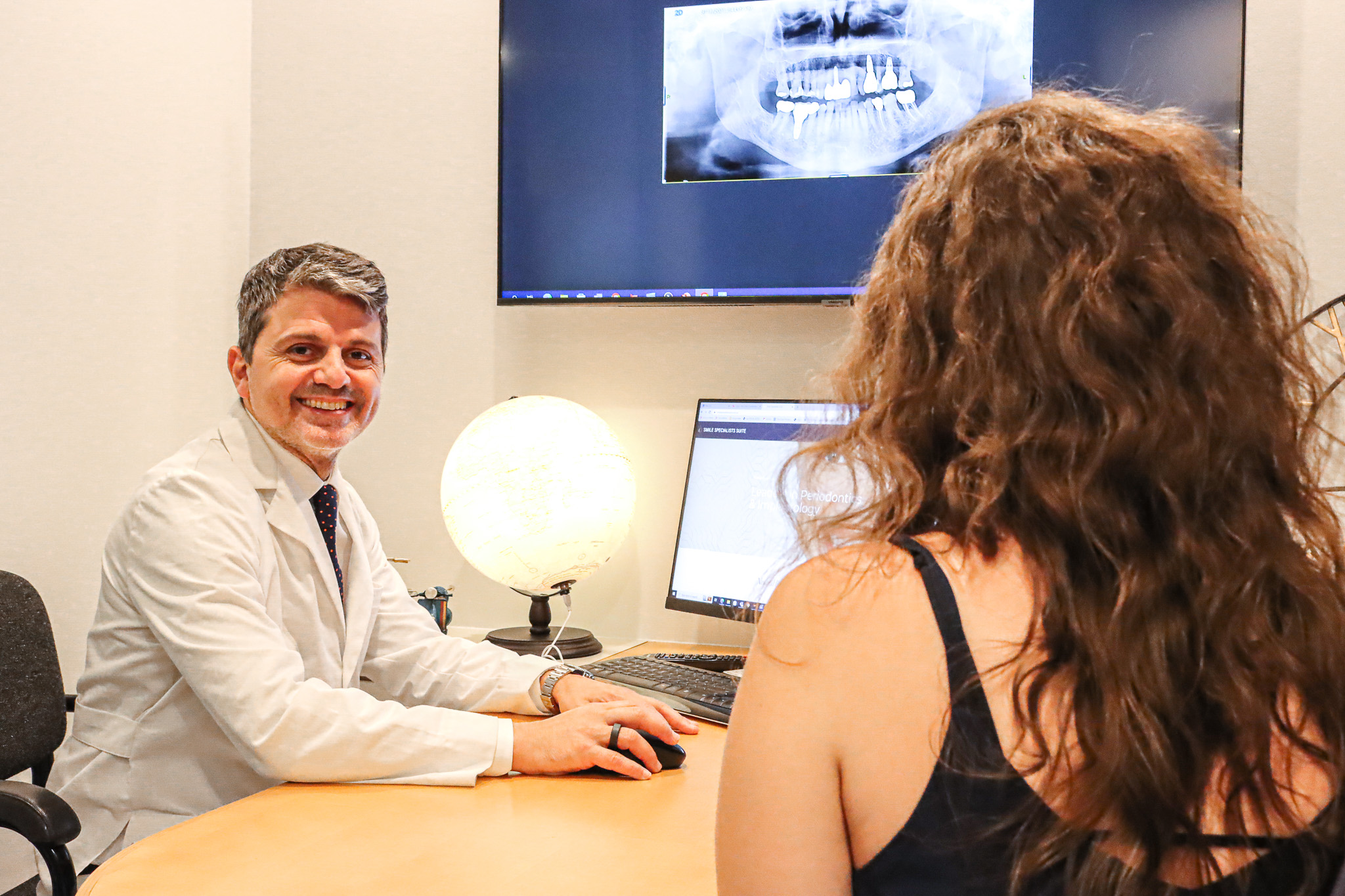
Specialist clinical expertise
Based on research and clinical experience
Prof Quaranta is a Clinical Professor of Periodontics at the University of Sydney and has published more than 200 research outputs, over 120 of them peer-reviewed. He lectures on periodontics and implant dentistry to universities, scientific societies and study clubs in Australia and overseas.
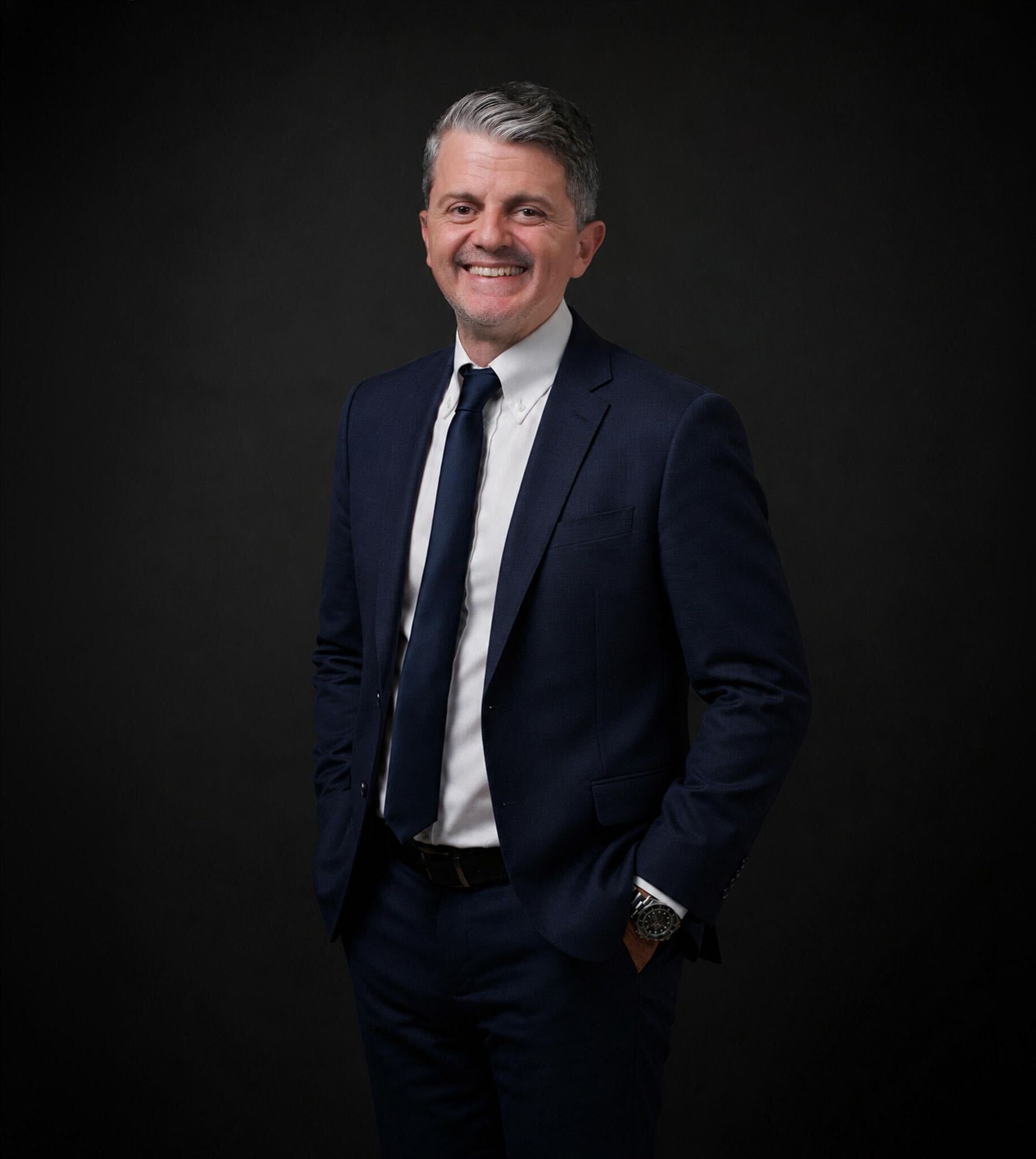
This information is provided by Prof Alessandro (Alex) Quaranta, an AHPRA-registered Specialist Periodontist, Clinical Professor of Periodontics and author of more than 200 scientific publications. Read his full profile.
Ready to talk about your gums or implants?
Neutral Bay (Sydney), Newcastle and Kiama.