Home Bone Grafting
Bone Grafting · Specialist periodontal care
Dental bone grafting in Sydney
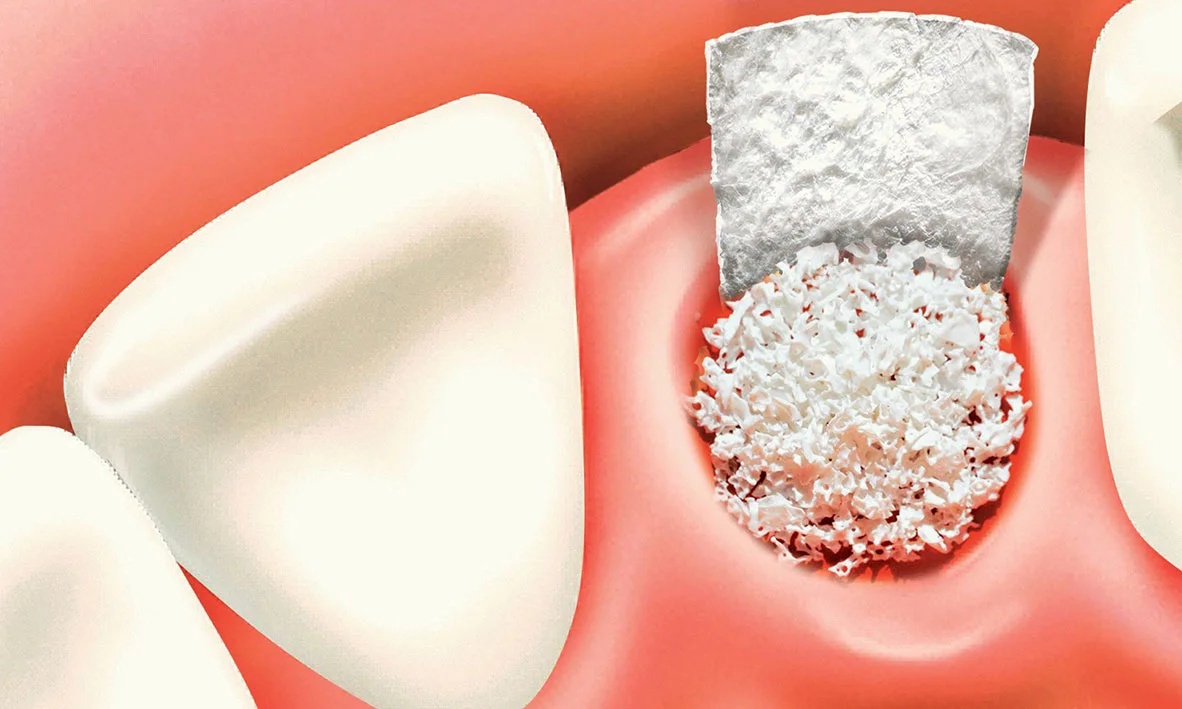
Where there is not enough bone for a dental implant or bridge, bone can be added to the jaw so that it can support treatment.
Periodontics — Dental Board of Australia (AHPRA) · Clinical Professor, University of Sydney
Why a graft may be needed
Sometimes there is not enough bone for a dental implant or bridge, and additional bone has to be added to your jaw. Tooth loss through gum disease, injury, decay or infection increases the loss of bone over time. Bone grafting allows a dental implant procedure to take place.
During the procedure, a small incision is made in the gum to expose the bone beneath it, and the graft is added. Bone for this procedure can come from your own body, from a donated source, or be made from a synthetic substance. Over time the graft is absorbed by your body and replaced by your own bone.
All these specialist procedures are performed using magnifying loupes or microscopy with additional surgical lights, and miniaturised surgical instruments.

Autograft
Bone is taken from a site in your own body and moved to the recipient site. This means two surgical sites: one where the bone is harvested and one where it is placed.
Allograft
Laboratory-processed human bone from a deceased donor, supplied by a tissue bank.
Xenograft
Grafting material from an animal source, usually bovine. The material goes through a series of pharmaceutical treatments in preparation before it reaches the surgical table.
Alloplast
Synthetic, man-made materials. These come in a variety of forms including powder, granules, putty and gel that can be injected through a syringe.
Every material has advantages and disadvantages. Your consultation is where the choice of treatment and of material is discussed.
Any surgical or invasive procedure carries risks. Individual results vary and suitability depends on an individual clinical assessment. Before proceeding with a surgical or invasive procedure, you should seek a second opinion from an appropriately qualified health practitioner.
Good to know
Bone Grafting — frequently asked questions
Is the procedure painful?
Can a bone graft fail?
How long does the procedure take?
How long is recovery following surgery?
How long until the bone regrows?
What types of bone graft are available?
Specialist clinical expertise
Based on research and clinical experience
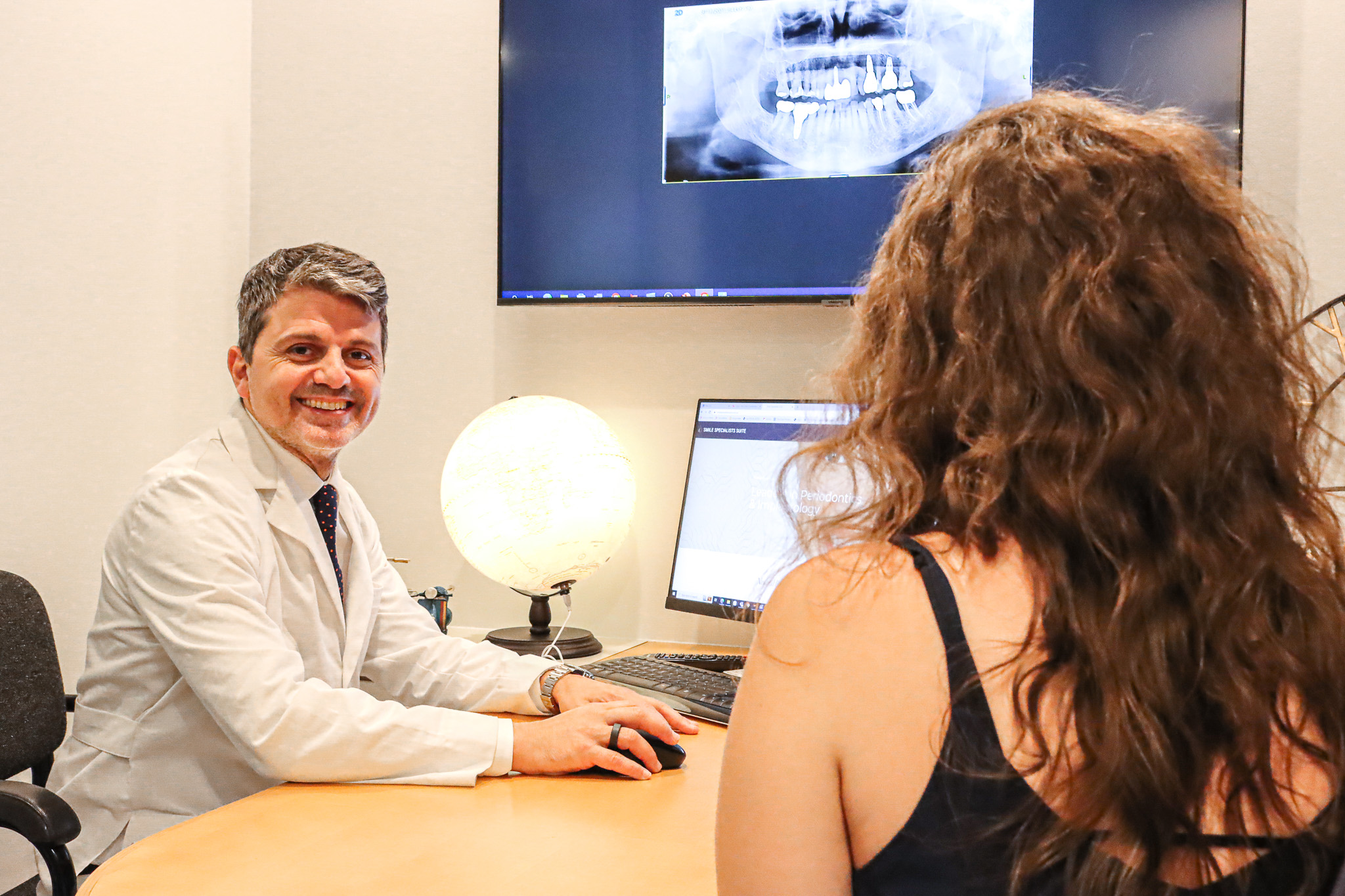
Prof Quaranta is a Clinical Professor of Periodontics at the University of Sydney and has published more than 200 research outputs, over 120 of them peer-reviewed. He lectures on periodontics and implant dentistry to universities, scientific societies and study clubs in Australia and overseas.

This information is provided by Prof Alessandro (Alex) Quaranta, an AHPRA-registered Specialist Periodontist, Clinical Professor of Periodontics and author of more than 200 scientific publications. Read his full profile.
Ready to talk about your gums or implants?
Neutral Bay (Sydney), Newcastle and Kiama.