Home Emergency Therapy
Emergency Therapy · Specialist periodontal care
Emergency periodontal care in Sydney
A specialist in periodontics manages most dental emergencies. After the nature of the emergency is confirmed, non-surgical or surgical treatment can resolve or control it.

Periodontics — Dental Board of Australia (AHPRA) · Clinical Professor, University of Sydney
The most common dental emergencies
These are the problems people most often present with:
- Broken teeth.
- Gum abscesses, a localised large swelling of the gum.
- Inflammation around wisdom teeth.
- Swelling and bleeding.
- Trauma to teeth from an accident.
- Pain on biting, often related to infection or a cracked tooth.
- Pulpal abscesses, an abscess of the tooth nerve.
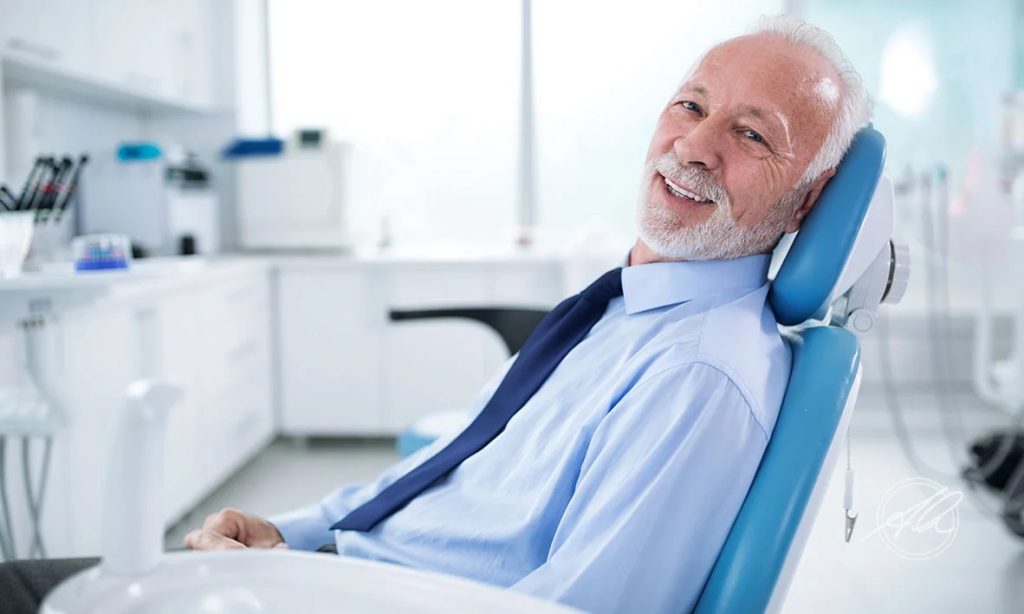
How they are managed
After the nature of the emergency is confirmed, non-surgical or surgical treatment can resolve or control conditions related to trauma to teeth, broken teeth and pain on biting.
If a tooth cannot be saved and has to be extracted, an immediate implant may be recommended and, where appropriate, performed during the same session. Whether that is possible depends on an individual assessment.
Gum abscesses and inflammation of the gum around partially erupted wisdom teeth can usually be managed with non-surgical or surgical periodontal therapy. In some cases an antibiotic prescription is necessary. The same treatment can relieve emergencies involving swelling and bleeding.
In cases of pulpal abscess, a periodontist can confirm the cause, prescribe palliative care and refer you to a specialist in endodontics for root canal therapy if you choose to keep the tooth.
Common presentations
What we see most often
Any surgical or invasive procedure carries risks. Individual results vary and suitability depends on an individual clinical assessment. Before proceeding with a surgical or invasive procedure, you should seek a second opinion from an appropriately qualified health practitioner.
Good to know
Emergency Therapy — frequently asked questions
What counts as a dental emergency?
Can an implant be placed the same day a tooth is removed?
Do I need a referral to be seen urgently?
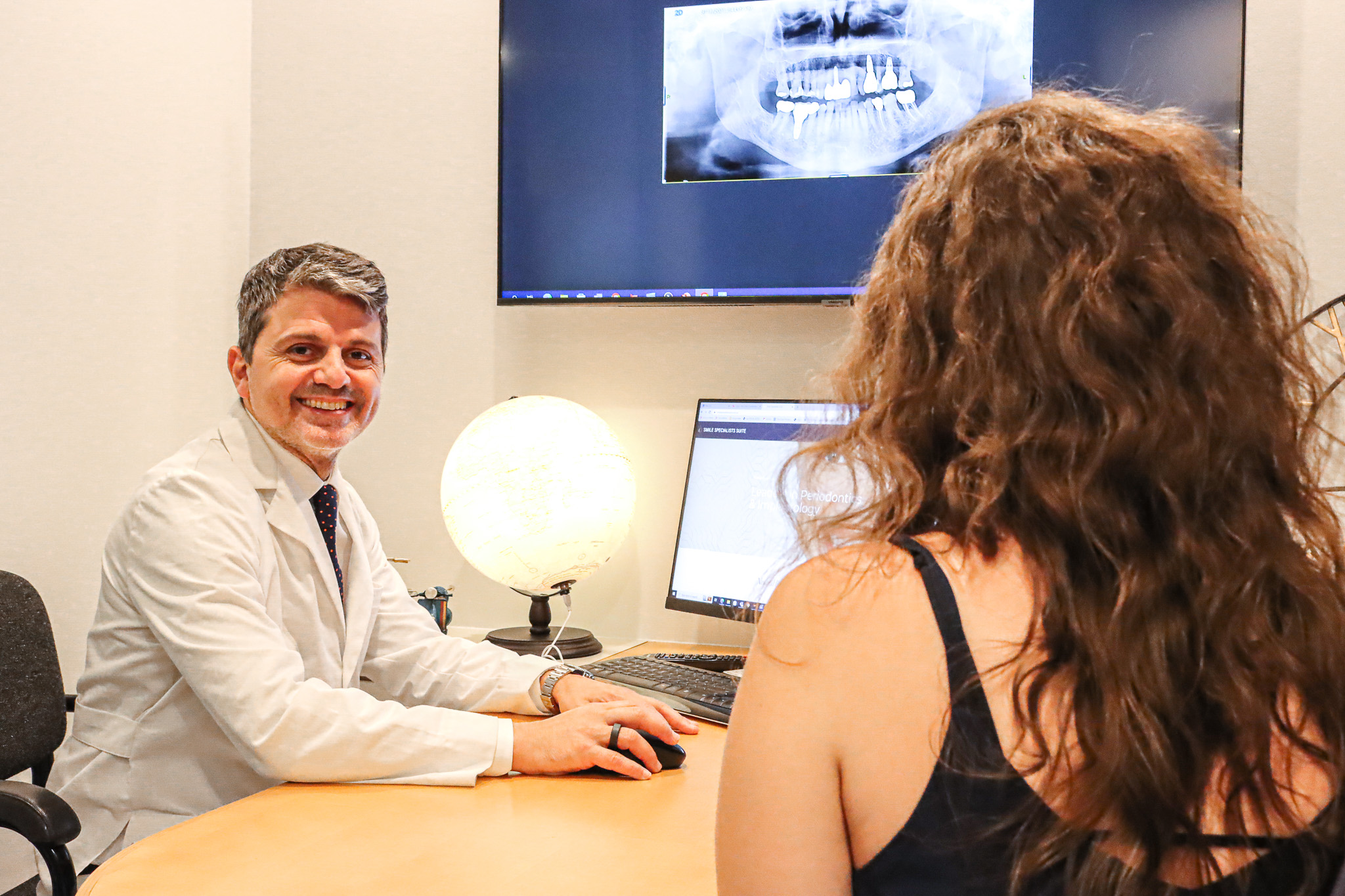
Specialist clinical expertise
Based on research and clinical experience
Prof Quaranta is a Clinical Professor of Periodontics at the University of Sydney and has published more than 200 research outputs, over 120 of them peer-reviewed. He lectures on periodontics and implant dentistry to universities, scientific societies and study clubs in Australia and overseas.
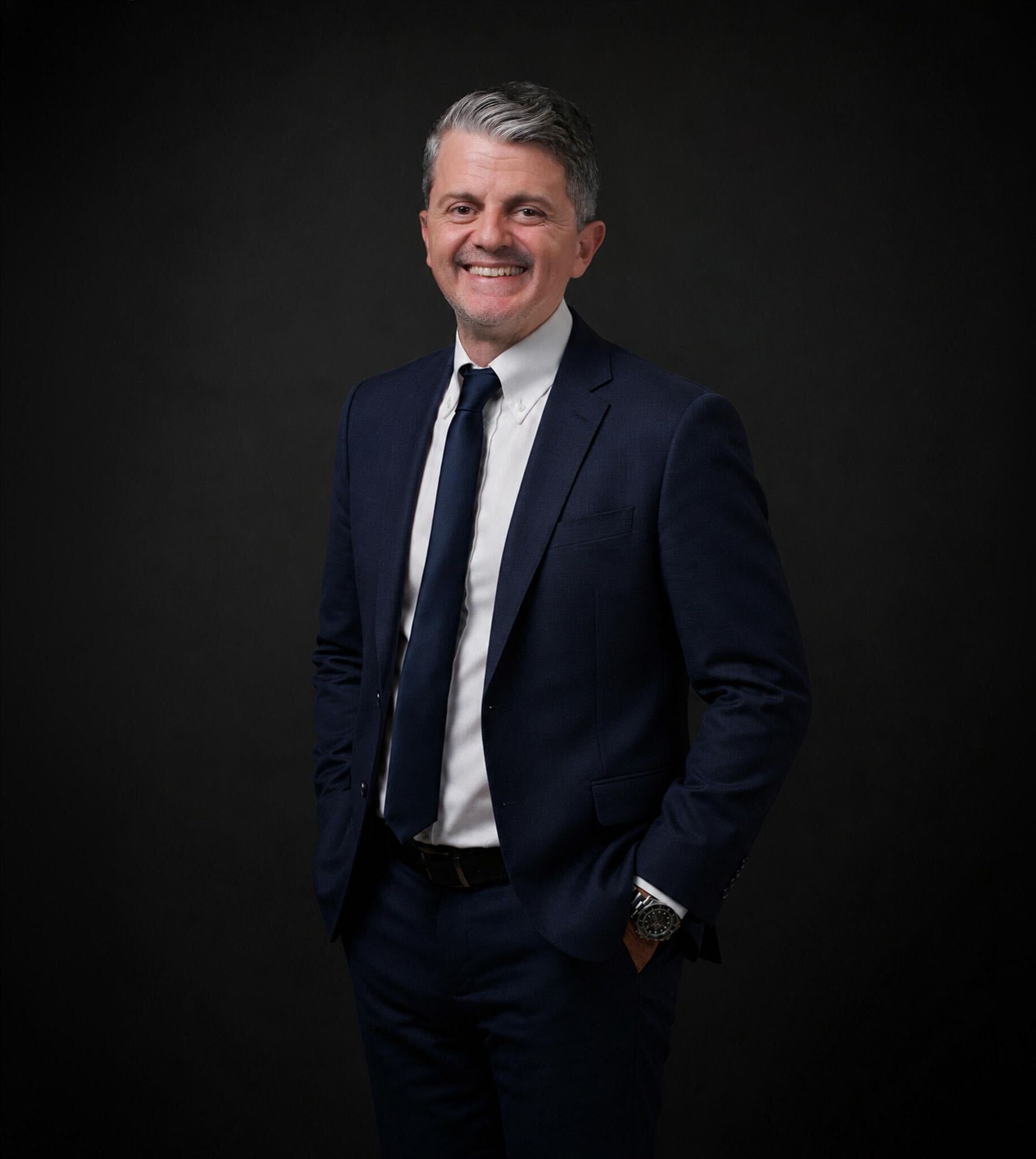
This information is provided by Prof Alessandro (Alex) Quaranta, an AHPRA-registered Specialist Periodontist, Clinical Professor of Periodontics and author of more than 200 scientific publications. Read his full profile.
Ready to talk about your gums or implants?
Neutral Bay (Sydney), Newcastle and Kiama.